Swiss Regulatory Frameworks and Their Effect on Roulette Bonus Mechanics in Digital Formats
Geschrieben von Dana Klein · 21.8.2026
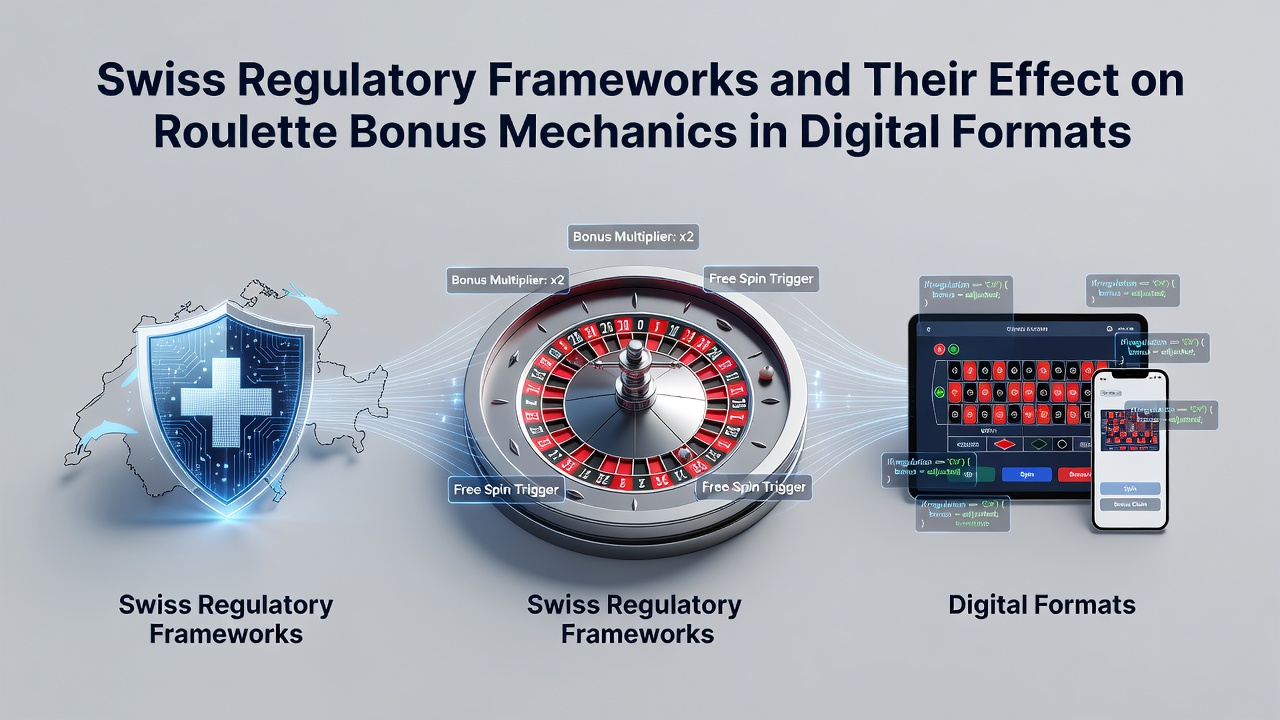
Swiss Regulatory Frameworks and Their Effect on Roulette Bonus Mechanics in Digital Formats
Switzerland maintains one of Europe's most structured approaches to gambling oversight, and this framework directly shapes how operators structure roulette bonuses in digital environments. The Federal Act on Money Games, enacted in 2019, established clear licensing requirements for online platforms while imposing strict limits on promotional mechanics that affect player engagement with roulette variants.
Core Elements of Swiss Gambling Legislation
Researchers at the University of Zurich have documented how the legislation divides oversight between cantonal lotteries and federal casino authorities, creating distinct pathways for digital roulette offerings. Operators must secure approval from the Swiss Federal Gaming Board before deploying any bonus that alters standard payout ratios or wagering requirements. Data from the Swiss Federal Statistical Office shows that licensed platforms reported a 23 percent reduction in variable bonus structures between 2021 and 2025 as compliance costs rose.
These rules require that bonus funds tied to roulette carry transparent wagering multipliers, often capped at 35 times the initial amount, and that operators disclose the precise contribution percentages from roulette bets toward clearing requirements. Platforms that fail to meet these standards face license suspension, a measure enforced uniformly across all digital formats.
Impact on Bonus Design and Player Incentives
Digital roulette bonuses now operate under narrower parameters than those found in less regulated markets. Many operators have shifted toward cashback offers rather than deposit matches because the former model aligns more easily with Swiss transparency mandates. Studies conducted by the Swiss Institute for Gambling Research indicate that players encounter fewer no-deposit bonuses for roulette tables, with such promotions largely restricted to free spins on slot-style variants instead.

Maximum bonus amounts also face caps tied to average player deposit levels, preventing the large promotional sums common in other jurisdictions. When a bonus does appear, its terms must specify that roulette wagers contribute only a fraction of the total, typically 20 percent toward clearing, while table game restrictions prevent players from using certain high-volatility strategies to meet playthrough conditions quickly. Observers note that these adjustments have produced more predictable revenue streams for licensed operators while reducing instances of bonus abuse.
Technical Compliance Requirements for Digital Platforms
Software providers must integrate real-time reporting tools that transmit bonus usage data directly to regulatory servers, a system that became mandatory for all new licenses issued after January 2023. This infrastructure allows authorities to verify that roulette bonus mechanics do not circumvent house-edge disclosure rules or create misleading expectations about potential returns. Figures released by the Federal Office of Justice reveal that 14 license applications were withdrawn in 2025 alone due to inadequate tracking systems for promotional offers.
August 2026 marks the scheduled review of these reporting protocols, when regulators plan to assess whether additional safeguards are needed for live dealer roulette formats that combine digital interfaces with physical tables. Industry analysts expect minor adjustments to contribution rates rather than wholesale changes to existing bonus structures.
Comparative Context with International Standards
Switzerland's model differs from frameworks in Canada and Australia, where provincial and state regulators permit broader bonus experimentation under voluntary codes. A 2024 report from the Australian Gambling Research Centre highlighted how Swiss restrictions have influenced neighboring EU operators to adopt similar wagering caps when targeting Swiss residents through geo-blocked access. Those who've examined cross-border data note that Swiss players encounter fewer inflated bonus offers compared with users in less centralized markets.
One documented case involved a major platform that restructured its entire roulette bonus portfolio after receiving guidance from the Swiss Federal Gaming Board in early 2025, replacing percentage-based deposit bonuses with fixed-amount loyalty rewards that comply with contribution limits. Such adaptations demonstrate how regulatory clarity drives operational shifts across digital gaming environments.
Conclusion
Swiss regulatory frameworks continue to define the boundaries within which digital roulette bonuses function, emphasizing transparency, player protection, and verifiable compliance over expansive promotional freedom. As the August 2026 review approaches, operators and researchers alike will monitor whether these established patterns persist or evolve under updated technical standards. The current system prioritizes measurable oversight mechanisms that integrate directly into platform architecture, shaping bonus mechanics in ways that distinguish Swiss digital roulette from offerings elsewhere.